Which Shirt Collar Suits You?
January 19, 2026
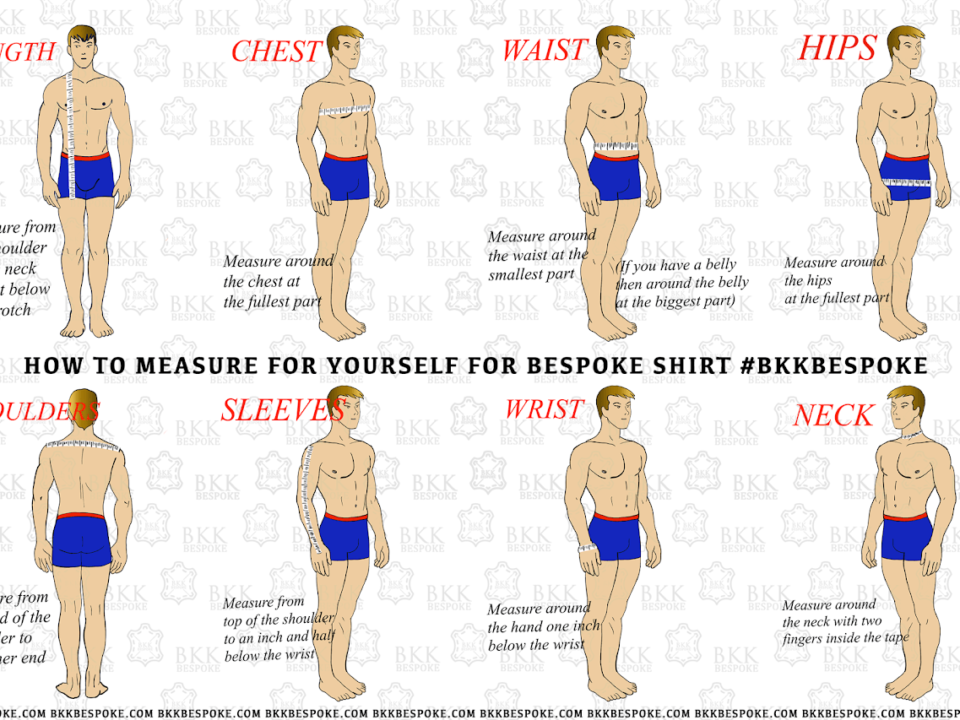
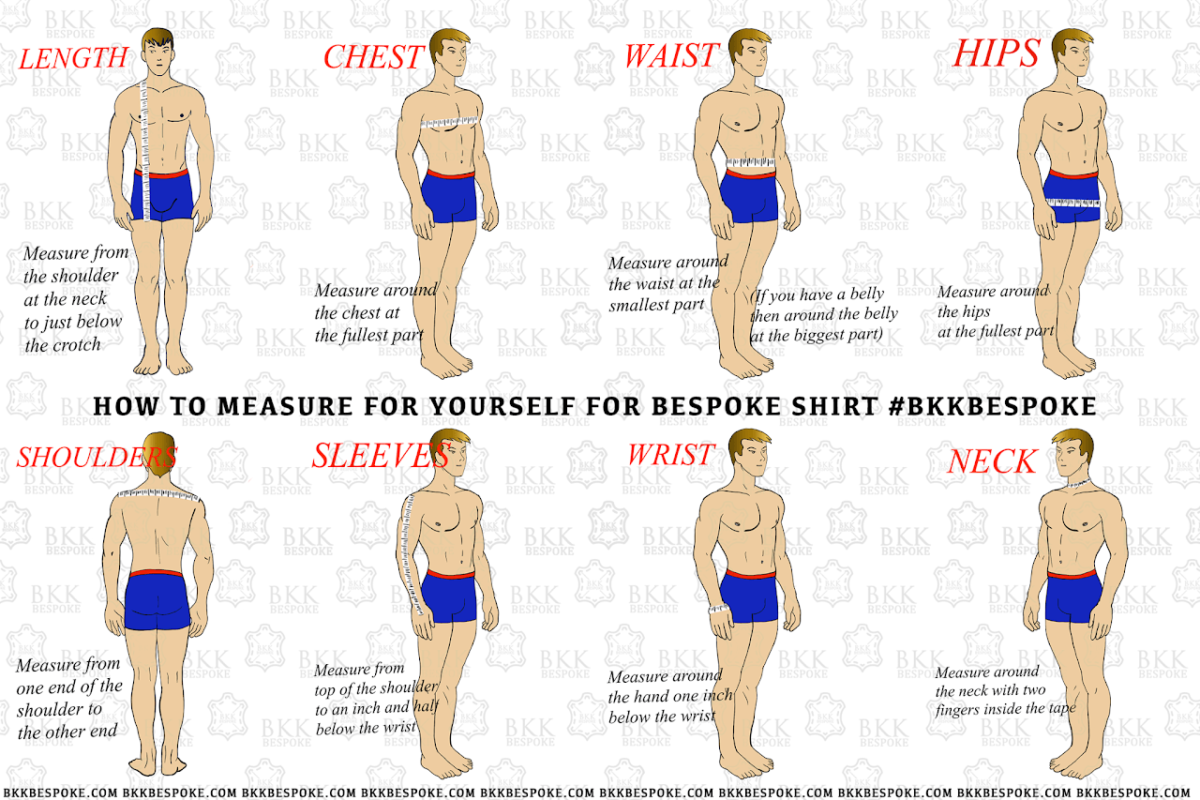
How to Measure Your Body for Custom Tailoring
October 24, 2026Designing a bespoke shirt is a fantastic way to elevate your wardrobe. It’s the difference between wearing a garment that "fits" and one that is sculpted to your body and lifestyle.
Let us lead designer. Let’s walk through the architectural steps of creating your perfect shirt.

„Let's design a shirt together”
1. Define the Purpose
Before picking fabrics, we need to know where this shirt is going.
-
The Power Business Shirt: Crisp, structured, and meant for a tie.
-
The Casual Weekend Button-Down: Softer collar, breathable fabric, shorter hem to be worn untucked.
-
The Evening Formal: Wing collar or hidden placket, perhaps a subtle texture like piqué.
2. The Fabric (The Foundation)
The "feel" of the shirt depends entirely on the weave.
-
Poplin/Broadcloth: Thin, smooth, and professional. Great for sharp colors.
-
Twill: Has a diagonal rib. It’s heavier, softer, and more resistant to wrinkles.
-
Oxford: A basketweave that is durable and gets softer over time. Perfect for casual wear.
-
Linen: The ultimate choice for summer; breathable, though it embraces the "natural wrinkle."
The Fine Details
Bespoke is in the details that mass-market brands skip:
Placket: Do you want a visible strip of fabric for the buttons (Classic), or a Hidden/Fly Front for a sleek, minimalist look?
Monogram: Usually placed on the left cuff or the lower ribcage (discreet is better).
Buttons: Mother-of-pearl is the gold standard for bespoke—they have a natural depth and heat resistance that plastic lacks.
Back Pleats: "Side pleats" allow for better movement in the shoulders, while a "plain back" creates a slimming, modern silhouette.